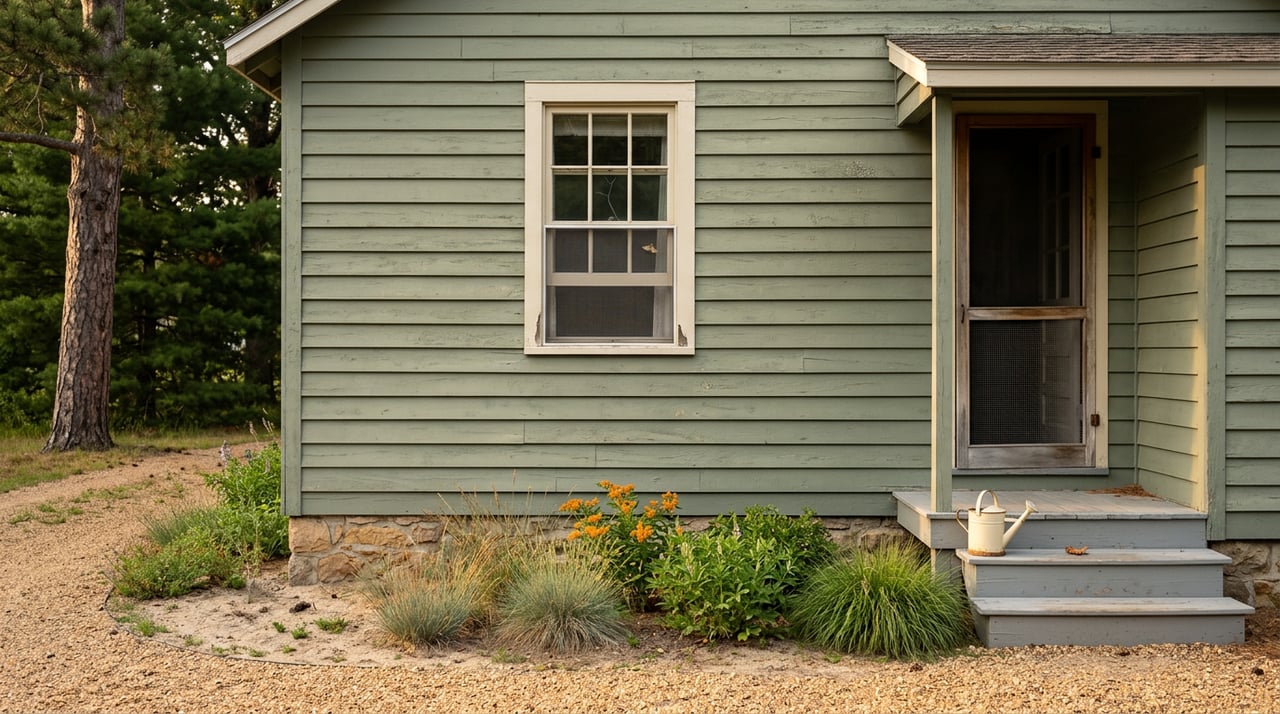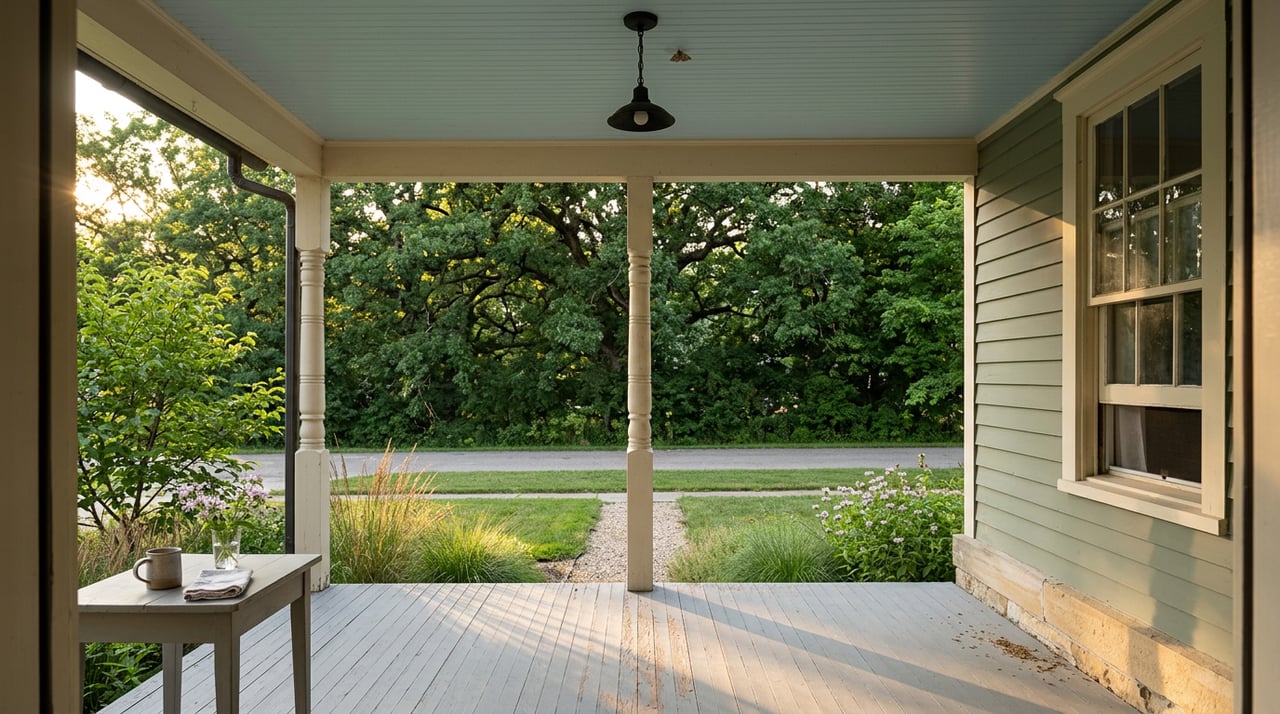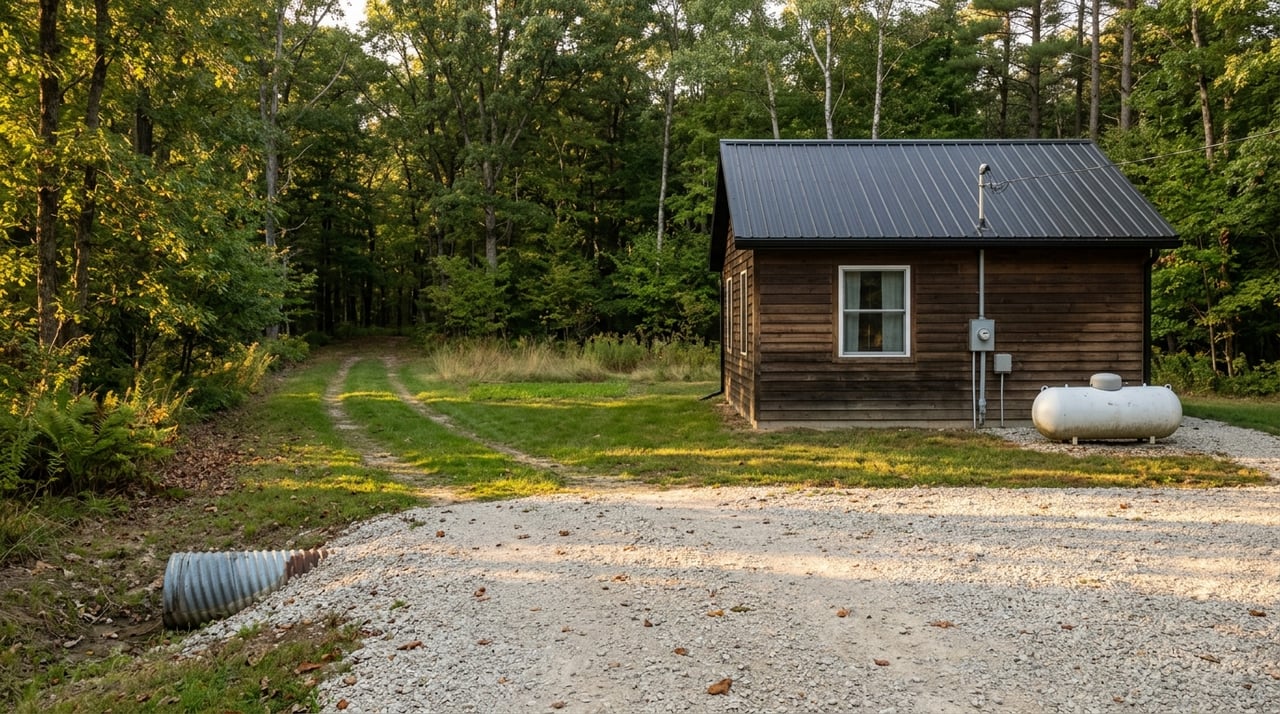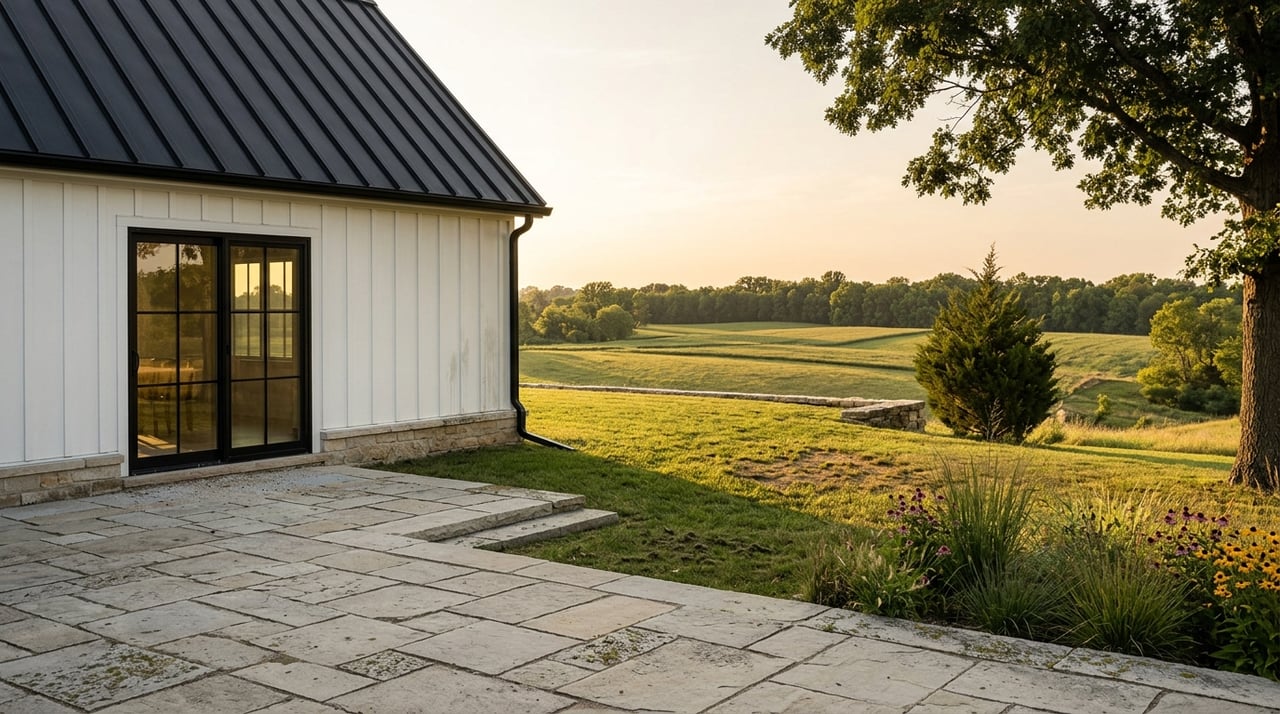
Big views can be hard to forget, especially in a place like Iowa County. If you are drawn to country homes with long horizons, quiet settings, and land that feels like part of the property itself, ridge-top living deserves a closer look. In this guide, you will learn why these homes stand out in Iowa County, what practical issues matter most before you buy, and how to evaluate a ridge-top property with confidence. Let’s dive in.
Why Iowa County Fits Ridge-Top Living
Iowa County sits in southwest Wisconsin’s Driftless region, and that geography shapes the entire buying experience. This area was not covered by glaciers, which helped create a landscape of deep valleys, high ridges, and dramatic elevation changes.
According to the Wisconsin Geological and Natural History Survey, the relief in parts of the Driftless Area can reach about 400 feet from ridgetop to river level. For you as a buyer, that often means a country home here is not just about square footage or finishes. The setting, slope, and view can be just as important as the house itself.
That is a major reason ridge-top homes feel different from rural properties in flatter parts of Wisconsin. You may get broader vistas, more separation from neighboring properties, and a stronger sense that the land and the home work together as one package.
What Ridge-Top Properties Feel Like
A ridge-top home in Iowa County is usually a site-driven purchase. The draw often starts with the landform itself, whether that means open views, a bluff-edge setting, wooded privacy, or a mix of pasture and rolling ground.
Local descriptions of the area support that image. Iowa County highlights its rolling hills, and the Town of Ridgeway describes the surrounding landscape with high ridges, rock bluffs, deep woods, and broad vistas.
For many buyers, that translates into a lifestyle decision as much as a real estate decision. You may be looking for a full-time country home, a farmette, or a rural retreat, but in each case the topography plays a big role in how the property lives day to day.
Views Come With Site-Specific Questions
The same features that make ridge-top living attractive also make due diligence more important. A scenic homesite can come with practical questions about water, access, drainage, and land management.
That does not mean ridge-top properties are harder to own. It means you should evaluate them on rural terms, not like a standard in-town house lot.
This is where local property analysis matters. On country homes and land-rich properties, details like slope, driveway layout, acreage use, and utility systems often shape your ownership experience just as much as the home itself.
Check Winter Access Early
One of the first things to ask about is the driveway. On a ridge-top property, the route in and out can affect convenience all year, but it matters most in winter.
You will want to know how steep the driveway is, how long it is, and how snow removal is handled. A beautiful elevated setting can lose some of its appeal if winter access is difficult or if runoff creates icy spots.
Iowa County’s Land Conservation Department notes that the county’s rolling hills create unique challenges tied to soil and water movement. In real-world terms, that is a reminder to pay attention to driveway runoff, erosion, and how the site handles snowmelt or heavy rain.
Understand Drainage and Water Movement
On sloped ground, water never sits still for long. That is why drainage should be part of your evaluation from the start.
Ask how water moves across the property during heavy rain. Look at low spots, exposed soil, driveway edges, and any signs that runoff may be cutting channels or affecting the yard, outbuildings, or access road.
The county’s land conservation guidance points to challenges tied to rolling hills, floods, and drought. For a buyer, that means slope stability and water control are not minor details. They are part of how the property functions over time.
Private Wells Deserve Close Review
If you are buying a rural home in Iowa County, there is a good chance the property uses a private well. In Wisconsin, private well ownership comes with responsibility.
The Wisconsin Department of Health Services says about 30 percent of Wisconsin residents get drinking water from private wells. It also states that the well owner is responsible for protecting and maintaining the system.
Before you buy, ask for well documentation, testing history, and any recent inspection records. DHS recommends annual testing for bacteria and nitrate, and testing for arsenic and lead every five years through a Wisconsin-certified lab.
Why Well Inspections Matter
A property-transfer well inspection can add useful information during a purchase. The Wisconsin Department of Natural Resources says a licensed well professional can visually inspect the well and pressure system and identify features that do not comply with state rules.
If noncomplying features are found, that can affect negotiations between buyer and seller. In some cases, a lender may require corrections.
That does not automatically mean there is a deal-breaking issue. It simply gives you a clearer picture of the system before closing, which is especially important on a ridge-top property where well placement and geology can influence water conditions.
Consider Geology and Nearby Land Use
In Iowa County, water quality is closely tied to local geology and soils. UW-Extension notes that groundwater quality here is strongly influenced by those site conditions.
The Wisconsin Department of Health Services also notes that wells near farm fields, barnyards, or feedlots can face a higher manure-contamination risk, especially where sandy soils, fractured bedrock, or karst features are present. If you are buying a country home with surrounding agricultural activity, that context is worth reviewing carefully.
This does not mean you should avoid rural properties near working land. It means you should ask better questions about well location, testing, and how the site fits the surrounding landscape.
Septic and POWTS Records Matter Too
A ridge-top home may also rely on a private septic system, called a POWTS in Wisconsin. That makes records and maintenance history important parts of your due diligence.
The Wisconsin Department of Safety and Professional Services says counties have the primary responsibility to inspect POWTS. It also notes that the property owner is ultimately responsible for keeping the system maintained and operating correctly.
As a buyer, ask early for septic records, inspection information, and service history. If the system has been maintained regularly and the paperwork is available, you will be in a much better position to evaluate the property with fewer surprises.
Think Beyond the House
Many ridge-top homes in Iowa County include acreage, and that changes how you should assess value. The house may be the centerpiece, but the surrounding ground can affect privacy, utility, upkeep, and long-term appeal.
If the parcel includes farmland, open ground, wooded land, or mixed-use acreage, the county Land Conservation Department may be a relevant resource. The department offers technical assistance and cost-share support for soil, water, and nutrient conservation practices.
That matters because stewardship and enjoyment often go together on these properties. If you want a country home that also includes productive or manageable land, it helps to understand how the acreage lays and what it may need over time.
Use Local Offices for Site Questions
For zoning, mapping, and sanitary questions, Iowa County’s Planning & Development office is the local starting point. County staffing includes planning, GIS, and sanitary-related roles, which is a strong sign that land-use and site questions are handled locally.
This is especially useful if you are considering a property with future plans in mind. For example, you may want to understand land-division possibilities, zoning limits, or how certain improvements fit local requirements.
On ridge-top and acreage properties, those questions are often too important to leave until late in the process. Getting clarity early can save time and help you make a better decision.
Balance Privacy With Service Access
One reason Iowa County appeals to country-home buyers is that it can feel rural without feeling cut off. The county has a network of small towns rather than one large urban center.
County government services and medical listings point to Dodgeville and Mineral Point as major service anchors. Additional clinics are also listed in Blanchardville, Barneveld, and Highland.
For you, that means ridge-top living can offer separation and scenery while still keeping everyday services within reach. The right fit depends on how much privacy you want and how close you prefer to be to town-based needs.
A Smart Buyer’s Ridge-Top Checklist
If you are comparing country homes in Iowa County, keep your focus on both lifestyle and function. A strong first impression matters, but the best purchase decisions come from matching the beauty of the site with the realities of ownership.
Here are a few smart questions to keep in front of you:
- How steep is the driveway, and how is winter access handled?
- Is the private well documented, tested, and recently inspected?
- Is there a septic or POWTS record, and when was it last serviced?
- How does water move across the property in heavy rain or snowmelt?
- Are there zoning or land-division questions if you want more flexibility later?
- How close is the property to Dodgeville, Mineral Point, or other small-town services?
Why Local Rural Expertise Helps
Country homes on ridge-top settings are rarely simple cookie-cutter properties. Their value often comes from a mix of the home, the land, the topography, the access, and the overall lifestyle the site creates.
That is why rural property analysis matters. On a property like this, it helps to look beyond standard comps and pay attention to how the land actually works, how the setting affects use, and which features are adding real long-term value.
If you are exploring ridge-top living in Iowa County, working with a team that understands rural Wisconsin property can help you sort through the details with more confidence. When you are ready to talk through country homes, acreage, or land-rich rural properties, reach out to Brandon Wikman for practical guidance tailored to the property and the ground beneath it.
FAQs
What makes ridge-top living unique in Iowa County?
- Iowa County’s Driftless terrain includes high ridges, deep valleys, and broad elevation changes, which can create bigger views, stronger privacy, and more site-driven country-home settings.
What should you ask about a ridge-top driveway in Iowa County?
- Ask about slope, length, winter snow removal, runoff, and whether the driveway stays reliable during snowmelt or heavy rain.
What should you review about a private well in rural Wisconsin?
- Review the well’s documentation, testing history, and any recent inspection records, and confirm whether bacteria, nitrate, arsenic, and lead testing have been handled on the recommended schedule.
What should you check about a septic or POWTS system in Iowa County?
- Ask for inspection information, maintenance records, and service history so you understand how the system has been cared for and whether any issues need attention.
Who handles zoning and site questions for Iowa County properties?
- Iowa County’s Planning & Development office is the local resource for zoning, mapping, and sanitary-related questions.
How close are services to ridge-top homes in Iowa County?
- Major county service anchors include Dodgeville and Mineral Point, with additional clinic access in Blanchardville, Barneveld, and Highland.