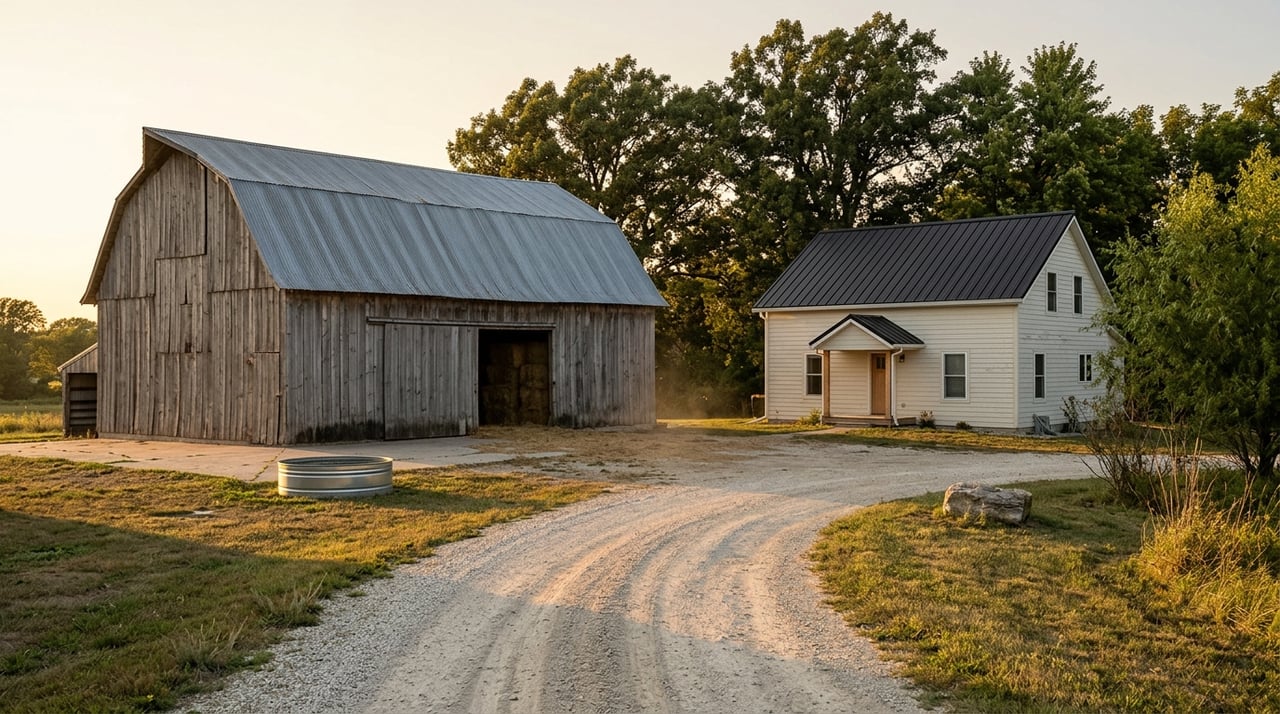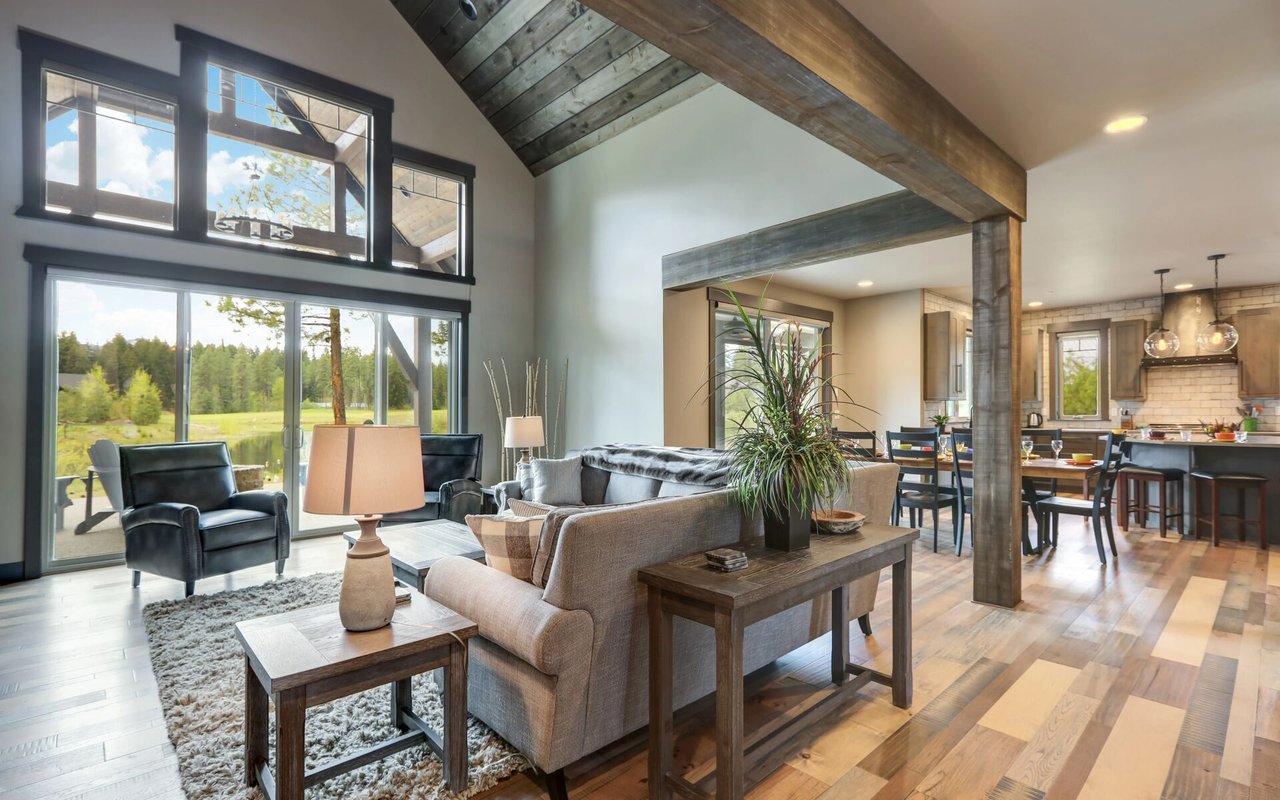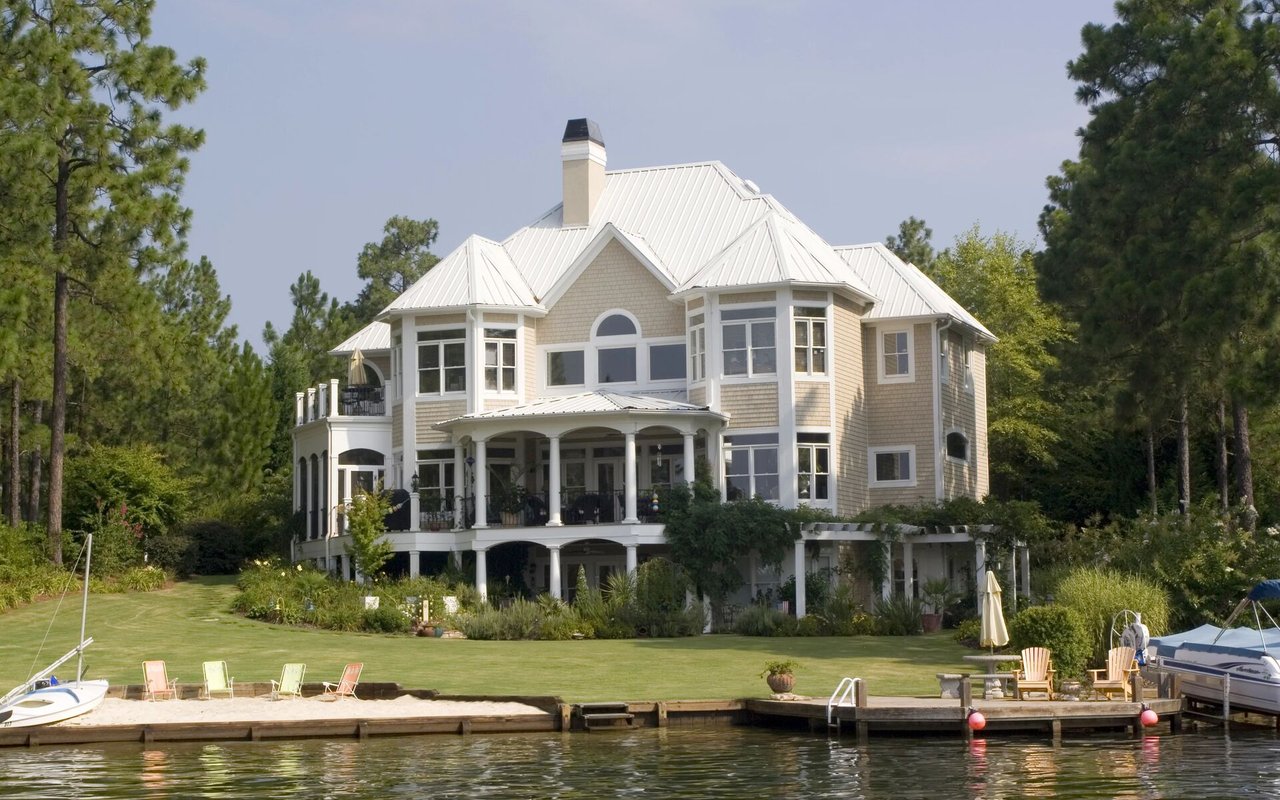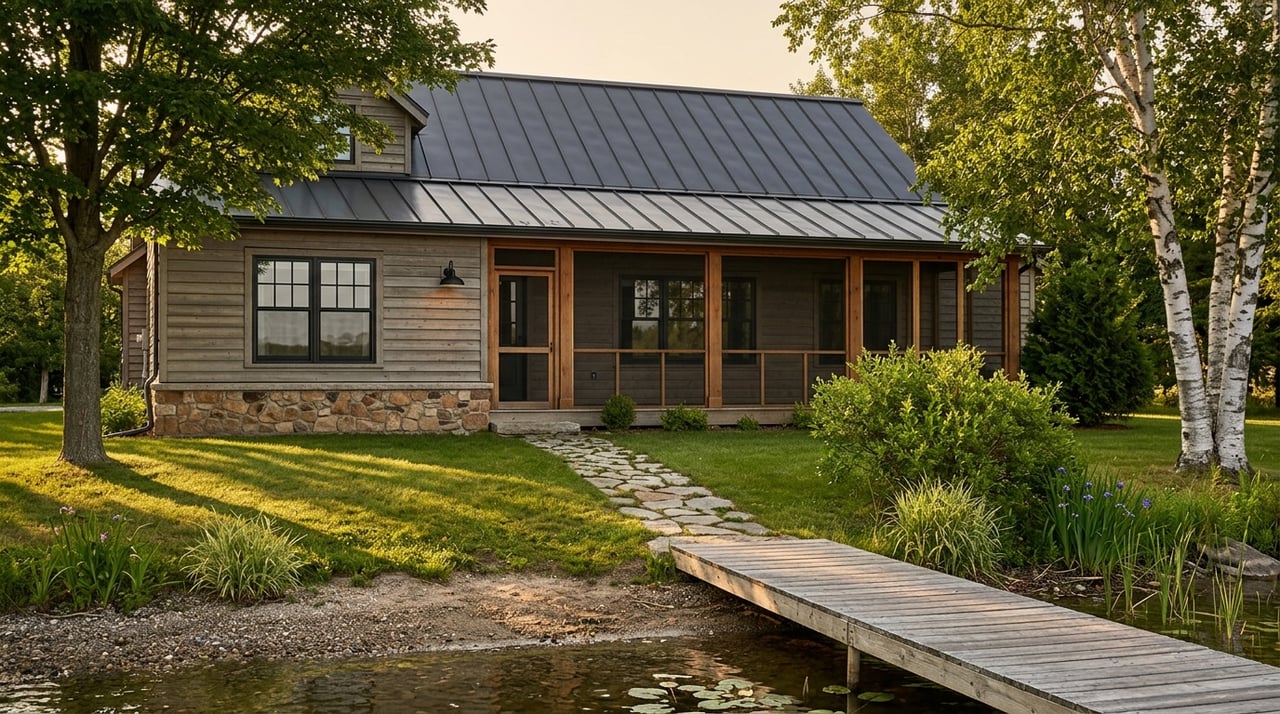
Not all waterfront in Marquette County lives the same way. If you are trying to choose between Lake Puckaway and Buffalo Lake, the right fit often comes down to how you actually want to spend your time on the water, how you feel about shoreline character, and what kind of ownership experience you want day to day. This guide breaks down the practical differences so you can compare both lakes with more confidence before you buy. Let’s dive in.
Start With How You’ll Use the Property
If your ideal waterfront means fishing at sunrise, watching birds move through the marsh, and enjoying a more natural setting, Lake Puckaway may be the better fit. If you picture more casual boating, easy launch access, and a Fox River-connected feel, Buffalo Lake likely deserves a closer look.
That distinction matters because both lakes are in Marquette County, but they offer different daily experiences. For buyers looking at rural and lifestyle property, that kind of difference can shape everything from resale appeal to how often you actually use the place.
Lake Puckaway at a Glance
Lake Puckaway is the larger of the two options. The Wisconsin DNR lists it at 5,013 acres with a maximum depth of 5 feet, and it spans both Green Lake and Marquette counties.
It is also a shallow lowland lake tied to the Fox River system. That helps explain why it feels broad, open, marshy, and more weather-sensitive than some buyers expect.
What Lake Puckaway Feels Like
Puckaway tends to appeal to buyers who want a more natural, wildlife-oriented setting. DNR materials describe a lake with extensive habitat value, and historical lake descriptions note wild rice, heavy waterfowl use, and a long-running focus on habitat and shoreline restoration.
In plain terms, this is not a polished, highly urbanized waterfront setting. It reads more like a rustic cottage-and-cabin lake with a strong outdoor identity.
Fishing and Wildlife on Puckaway
If fishing is high on your list, Puckaway offers a broad mix of species. The DNR lists musky, panfish, largemouth bass, northern pike, walleye, and catfish.
That variety is a big reason outdoor-minded buyers keep it on their radar. Travel Wisconsin also highlights the lake for northern pike and largemouth bass, while noting that shallow water and wind can affect conditions.
Access and Day Use on Puckaway
The DNR counts 7 public boat landings on Lake Puckaway. Marquette County’s boat-launch information also notes a shaded picnic area, informational kiosk, parking lot, public restroom, and access to the Apuckawa Trail.
That combination gives Puckaway a strong weekend-destination feel. Even if you own on the lake, public access and recreation amenities can influence how active and usable the area feels.
Buffalo Lake at a Glance
Buffalo Lake offers a different waterfront experience. The current Wisconsin DNR facts page lists it at 2,179 acres with a maximum depth of 8 feet and 5 public boat landings.
There is one important note here. Older DNR and county materials have used different size and depth figures for Buffalo Lake, so it is best not to get overly focused on one measurement without checking the source and date.
What Buffalo Lake Feels Like
Buffalo Lake is the more boating-forward option in this comparison. The DNR classifies it as a flowage, and county recreation materials say Buffalo Lake offers the best potential for recreational boating in Marquette County.
That gives it a more practical, river-connected feel. For many buyers, that means easier pontoon days, more relaxed cruising, and a waterfront lifestyle centered less on marsh habitat and more on getting out on the water.
Access and Recreation on Buffalo
Marquette County identifies two county launches on Buffalo Lake, including one on County Highway C west of Montello and one in Montello at Dredge Bank and Krakow Park. County launch materials describe parking, a restroom, an informational kiosk, and a hiking trail.
That setup makes Buffalo feel very approachable for day use. If you want a place that is easy to enjoy for boating, fishing, and simple shoreline hangouts, Buffalo has a strong case.
Fishing and Water Conditions on Buffalo
Buffalo Lake also supports panfish, largemouth bass, northern pike, walleye, and catfish. It can work well for buyers who want fishing as part of the mix, but who are not necessarily chasing the more wildlife-heavy identity of Puckaway.
Buffalo’s current DNR water-detail record also says the lake is impaired, with the impairment listing tied to PCB-contaminated fish tissue. That does not mean the lake is unusable, but it does mean buyers should pay attention to current DNR guidance if fish consumption is part of their plans.
Side-by-Side: Which Lake Matches You?
Here is the clearest way to think about the difference.
| Factor | Lake Puckaway | Buffalo Lake |
|---|---|---|
| Overall feel | Natural, shallow, wildlife-oriented | River-like, launch-friendly, boating-oriented |
| DNR-listed size | 5,013 acres | 2,179 acres on current DNR facts page |
| Maximum depth | 5 feet | 8 feet on current DNR facts page |
| Public boat landings | 7 | 5 |
| Best fit | Fishing, wildlife, rustic waterfront feel | Casual boating, Fox River access, easy day use |
| Fish listed by DNR | Musky, panfish, bass, pike, walleye, catfish | Panfish, bass, pike, walleye, catfish |
For a lot of buyers, the real question is simple: do you want a lake that feels more wild, or one that feels more boating-centered?
What Waterfront Buyers Should Watch in Marquette County
No matter which lake you prefer, buying waterfront in Marquette County means looking beyond the view. Shoreland rules, property use, and land-level details can shape what you can do with a property over time.
Marquette County shoreland zoning applies within 1,000 feet of navigable lakes. The county also notes that vacation homes, cottages, and cabins rented for fewer than 30 days require county licensing.
Shoreland and Improvement Questions
Before you buy, make sure you understand what is already in place and what changes may require approvals. That includes shoreline work, additions, accessory structures, setbacks, and septic-related issues.
This is especially important on waterfront where buyers sometimes assume future improvements will be simple. In practice, regulated shoreland property usually calls for a closer review before you commit.
Real-World Ownership Considerations
Both lakes have active aquatic invasive-species pressure and ongoing management histories. That means weed management and shoreline upkeep are part of real ownership on either lake, not just occasional issues.
For buyers who are also comparing other rural or recreational properties, this is where local property analysis matters. A waterfront purchase is not only about the lake itself. It is also about access, shoreline usability, regulations, and how you want the property to function season after season.
So, Which Lake Should You Choose?
Choose Lake Puckaway if you want a more natural waterfront setting with strong fishing appeal, waterfowl character, and a rustic Northwoods-meets-marsh feel. It is especially appealing if your idea of a lake place includes more time watching conditions, reading the weather, and enjoying the outdoor character of the property itself.
Choose Buffalo Lake if you want a more boating-oriented experience with practical public access, Fox River connection, and a setup that feels easy to use for casual waterfront living. It is a strong option if you want to launch, cruise, and enjoy the water without making wildlife habitat the center of the decision.
Neither lake is universally better. The better choice is the one that fits how you want to live on the property, how you plan to use the shoreline, and what kind of waterfront story you want your place to tell.
If you are comparing Marquette County waterfront and want a grounded read on how a property actually lives, from shoreline use to rural value drivers, Brandon Wikman can help you sort through the details and find the right fit.
FAQs
Which Marquette County lake is better for casual boating?
- Buffalo Lake is generally the better fit for casual boating based on county recreation materials and DNR boating and access descriptions.
Which Marquette County lake feels more natural and wildlife-oriented?
- Lake Puckaway has the more natural and wildlife-focused feel based on its shallow lowland character, wild-rice and waterfowl history, and broader habitat identity.
Are there public boat launches on Lake Puckaway and Buffalo Lake?
- Yes. The DNR lists 7 public boat landings on Lake Puckaway and 5 on Buffalo Lake.
Are there launch fees at Marquette County lake launches?
- Marquette County launch handouts list a $3 daily fee or a $25 seasonal pass at both Buffalo and Puckaway county launches.
What should buyers check before buying Marquette County waterfront?
- Buyers should review shoreland zoning, septic-related requirements, shoreline limitations, and short-term-rental licensing rules before purchasing.
Why do Buffalo Lake measurements sometimes look different?
- The current DNR facts page and older DNR and county materials use different acreage and depth figures, so buyers should check the source and date when comparing lake data.