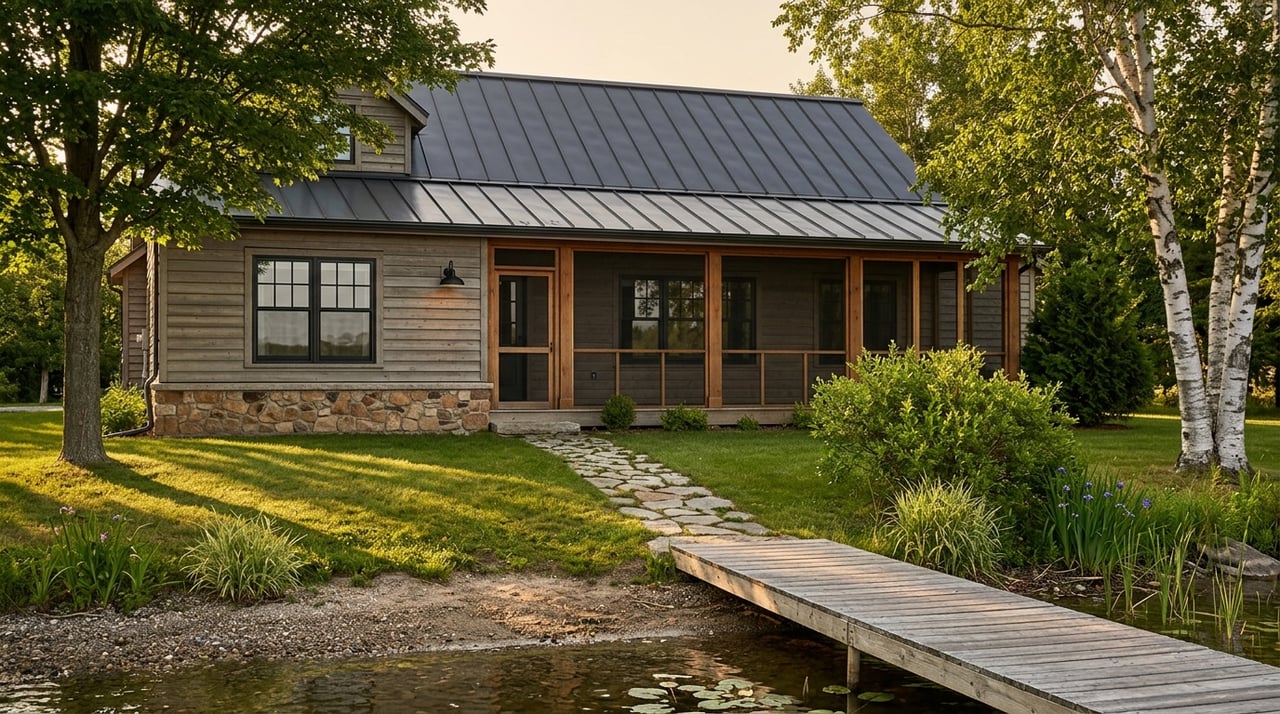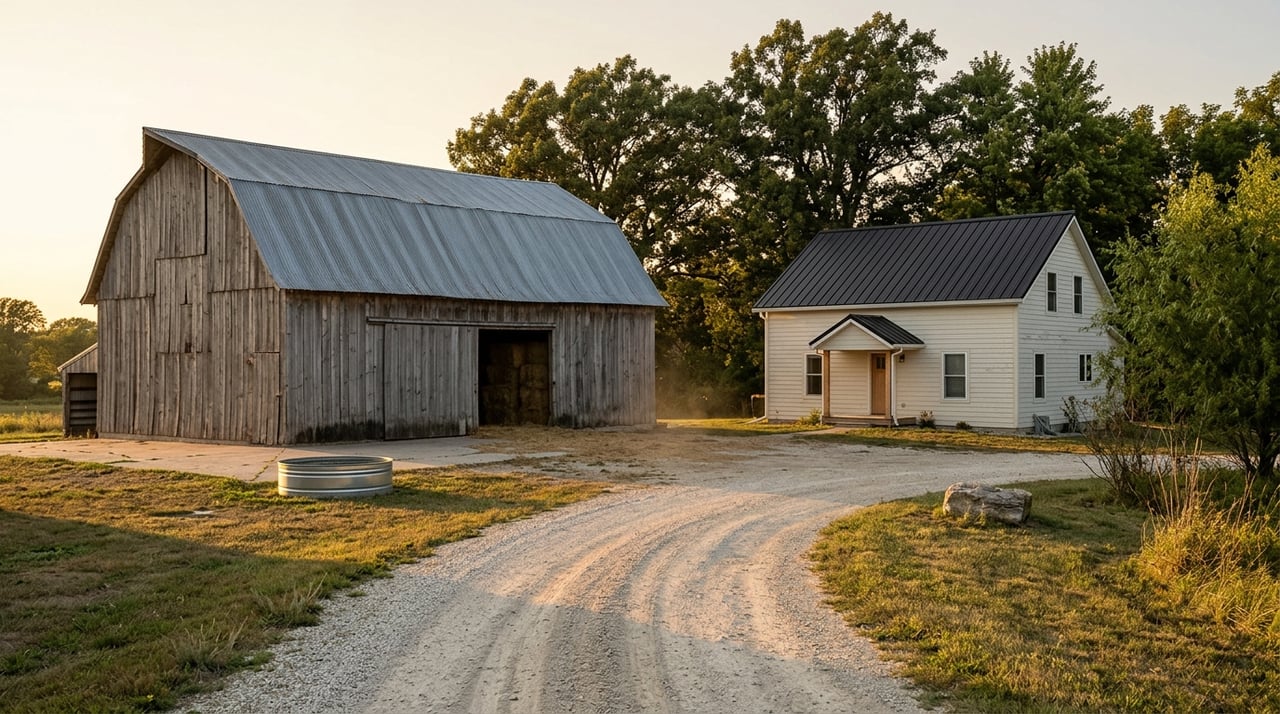
If you picture a hobby farm as a quiet house on a few pretty acres, Lafayette County may surprise you. This is an active farm county, and that matters when you are buying land for animals, gardens, a barn, or a slower rural lifestyle. The good news is that with the right due diligence, you can buy with far more confidence and avoid costly surprises later. Let’s dive in.
Why Lafayette County Feels Different
Lafayette County is an agriculture-first market. According to the 2022 Census of Agriculture, the county has 1,162 farms covering 316,462 acres, with an average farm size of 272 acres.
That scale shapes what you will see on the ground. Many properties sit among working crop ground, pasture, livestock operations, and active farm infrastructure rather than purely residential acreage. If you want a hobby farm here, you need to think like a rural land buyer, not just a homebuyer.
The county also has a practical mix of land types. Census data shows 241,090 cropland acres, 37,186 pastureland acres, and 23,032 woodland acres, which means each parcel can offer a very different mix of utility and upkeep.
Start With Zoning First
Before you fall in love with a barn, view, or house, confirm the parcel’s zoning. In Lafayette County, zoning can shape whether your plans are realistic from day one.
The county’s Planning and Zoning Department handles zoning and land-use permits, sanitary permits, floodplain maps, wetland protection, highway setbacks, soil evaluation review, and septic system installation inspection. The Land Conservation Department also plays an important role with farmland preservation, soil and water conservation, and other agricultural matters.
What A-1 Zoning Means
A-1 protected farmland is designed for agricultural uses and other specific allowed uses. Anything not listed in the ordinance is prohibited, and rezoning out of A-1 requires written findings after a public hearing and must align with the county’s comprehensive and farmland-preservation plans.
For you, that means A-1 is not a flexible blank slate. If you are thinking about future home splits, extra dwellings, or turning the property into something more residential in character, ask questions early.
What A-2 Zoning Means
A-2 is still agricultural land. Residential uses are limited and tied to operating-farm occupancy, which can matter if you hope to add more than one home or create a pure country homestead setup.
Buyers sometimes assume agricultural zoning gives them room to do anything rural. In practice, that is not how it works, especially if your long-term plan includes added structures or a different use pattern.
When RR May Fit Better
Rural Residential, or RR, can make sense for a smaller hobby-lifestyle setup. The county table lists a 1-acre minimum lot area in RR, compared with 5 acres in A-2 and 10 acres in A-1.
That said, RR still comes with county setback and access rules. You should still verify whether your intended animals, buildings, and manure handling plans fit the district before you write an offer.
Match the Land to Your Actual Goals
Not every small farm is suited to the same use. A property that looks ideal from the road may be awkward for grazing, muddy in wet seasons, or limited by slope, access, or drainage.
When you tour a hobby farm, think beyond the home. Ask whether the acreage mix supports what you actually want to do, whether that is gardening, keeping a few animals, cutting hay, using pasture, or adding a future outbuilding.
Look Closely at Soils and Drainage
UW-Madison Extension notes that Wisconsin soil survey data can be useful for planning, but it is not site-specific and should not replace on-site investigation or regulatory review. That is especially important on small parcels, where one wet pocket or poor soil area can change what is practical.
In plain terms, soil maps are a starting point, not a final answer. If you are counting on septic, a barn site, pasture productivity, or a future homesite, you need on-the-ground review.
Walk the Property With Purpose
A proper site visit should include more than a quick drive in. Walk for drainage patterns, muddy areas, pasture condition, hay access, winter access, and where fence lines would actually sit on the ground.
Aerial photos can help you understand layout, but they do not show you everything. The way water moves, where equipment can turn, and how usable the land feels in real life often decide whether a hobby farm works well.
Building Plans Need Early Verification
Many hobby-farm buyers plan to add a shed, barn, shop, or even a new homesite. In Lafayette County, that is exactly where early due diligence pays off.
The county reviews soil evaluations, septic installations, floodplain maps, and wetland maps. If you want to build or expand, those reviews matter as much as the listing photos.
Barns and Accessory Buildings
Accessory buildings can be permitted in any district, but the timing can vary by zoning. In residential districts, a home or dwelling must exist before an accessory building is added.
In agricultural districts, an accessory building used exclusively for agricultural purposes may be built before the principal dwelling. That distinction can matter if your first priority is a barn, machine shed, or livestock structure.
Setbacks Can Limit Usable Space
Setbacks are another major issue. Front setbacks range from 50 feet on state and federal highways to 42 feet on county trunks and 30 feet on town roads, and separate standards can apply to private access easements and no-frontage lots.
The county also requires buildings to stay 75 feet from the ordinary high-water mark of navigable streams, rivers, lakes, or waterways. If a parcel has shoreline, a private access situation, or unusual road frontage, check buildable area early.
Splitting Land Later Is Not Automatic
If part of your plan is to divide off acreage later, do not assume that will be simple. Lafayette County requires a Certified Survey Map for minor land divisions creating one to four parcels or building sites of 15 acres or less, with a minimum lot size of 1.5 acres unless zoning standards require more.
That matters for family transfers, future resale strategies, and buyers who expect to carve out a homesite later. A parcel’s current shape does not guarantee an easy split.
Wells and Septic Deserve Extra Attention
On a hobby farm, private utilities are not side notes. They are core parts of the property’s function and future cost.
Lafayette County handles sanitary permits, soil evaluations, and septic system installation inspections. Wisconsin’s POWTS program also puts primary inspection responsibility at the county level.
What to Ask About Septic
Ask for the septic age, maintenance records, any available soil evaluation report, and whether the site has constraints for expansion or replacement. That last point matters if you expect more water use, future additions, or long-term occupancy changes.
A septic system may be functioning today and still limit what you can do tomorrow. It is worth understanding before closing, not after.
What to Ask About the Well
The Wisconsin DNR says private wells usually serve a single home or farmhouse and are largely the homeowner’s responsibility to protect and maintain. Owners should test water annually, and the well-record search can help locate the well construction report, including drillhole and casing depth.
That is especially important on parcels near livestock activity or manure application. You should ask for water-test results, well records, and any history of flooding or water-quality concerns.
Livestock Changes the Conversation
If your hobby farm plan includes animals, your due diligence should go a step further. Chickens, goats, sheep, horses, or cattle can all affect what paperwork, fencing, and site setup make sense.
Wisconsin DATCP requires livestock premises registration for any location where livestock are kept or congregated, including hobby farms and backyard poultry flocks. Registration must be renewed every three years.
Fence Responsibility Is Worth Checking
Fence assumptions can create problems fast. UW Extension notes that in agricultural areas, if either adjoining property is used for farming or grazing, a fence is generally required unless neighbors agree otherwise, and adjoining owners usually share responsibility for their half.
That makes a boundary survey, any written fence agreement, and neighbor expectations important items to review. Fence disputes are not the same as boundary disputes, and it helps to know what you are inheriting.
Future Expansion May Trigger More Review
If your hobby farm may grow into a larger livestock setup over time, ask questions now. DATCP notes that if local governments require permits for new or expanding livestock operations, they must use state standards, and those rules do not override shoreland or floodplain zoning.
Lafayette County’s Land Conservation Department also offers help with nutrient management planning, manure regulations, livestock siting licensing, and soil and water conservation engineering. If your long-term plan includes more animals or manure storage, that local guidance matters.
A Practical Hobby Farm Checklist
Before you write an offer on a Lafayette County hobby farm, try to confirm these items:
- The parcel’s zoning district, including whether it is A-1 protected farmland, A-2, or RR
- Any farmland-preservation status, rezoning history, or use limitations tied to the parcel
- Survey or Certified Survey Map details, including easements, frontage, and access
- County setback lines, shoreline setbacks, floodplain issues, and wetland overlays
- Well records, annual water tests, and well construction details
- Septic age, maintenance records, soil evaluation reports, and replacement constraints
- Permits for barns, sheds, or animal waste storage
- Drainage patterns, pasture condition, winter access, and workable fence layout
- Livestock premises registration needs and any likely fencing responsibilities
Why Specialized Rural Guidance Matters
Buying a hobby farm in Lafayette County is not just about finding a pretty farmhouse with a few acres. You are buying land utility, zoning realities, access, infrastructure, and future options all at once.
That is why rural property analysis matters so much. When you look closely at soils, topography, access, improvements, and intended use, you make a better decision and protect your investment.
If you are considering a hobby farm in Lafayette County and want help evaluating the land as well as the home, reach out to Brandon Wikman. A property like this deserves a closer look before you commit.
FAQs
What zoning should you check before buying a hobby farm in Lafayette County?
- You should confirm whether the parcel is zoned A-1 protected farmland, A-2 agricultural, or RR, because each district has different rules for homes, buildings, and agricultural use.
What lot size rules apply to hobby farms in Lafayette County?
- Lafayette County lists minimum lot areas of 10 acres in A-1, 5 acres in A-2, and 1 acre in RR, which makes lot size a useful first filter when comparing properties.
What should you review about septic on a Lafayette County hobby farm?
- You should ask for septic age, maintenance records, soil evaluation reports, and any information about whether expansion or replacement could be limited by the site.
What should you review about a private well on a Lafayette County hobby farm?
- You should request well records, annual water-test results, and the well construction report if available, since private well maintenance and testing are largely the owner’s responsibility.
What livestock paperwork may apply to a hobby farm in Wisconsin?
- If you plan to keep livestock or poultry, Wisconsin requires livestock premises registration for that location, including hobby farms and backyard flocks.
Can you split off acreage later from a Lafayette County hobby farm?
- Maybe, but you should not assume it is automatic, because land divisions may require a Certified Survey Map and must still meet county zoning and lot-size standards.